Author, Saba Janjua, Associate at Teal Compliance.
The Briefing Note is based on work by Eleonora Dimitrova (LLB, LLM – Queen Mary University of London) and in response to this article from Legal Futures on the subject of AI-Assisted Due Diligence in Law Firm Compliance. https://www.legalfutures.co.uk/blog/ai-and-due-diligence-the-sras-next-regulatory-blind-spot
Overview
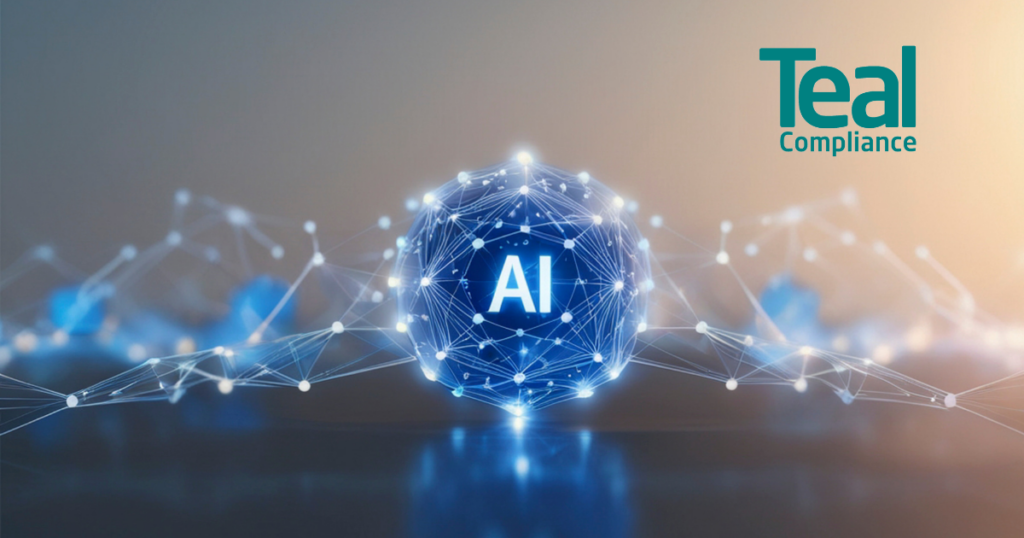
Artificial intelligence (AI) tools such as Kira and Luminance are now routinely used in transactional work, particularly M&A, where they rapidly analyse large volumes of documents and flag potential risks. What began as innovation is now embedded practice.
However, as reliance on AI grows, so does a critical professional issue: who is responsible when the technology misses something material? A missed restrictive covenant, change-of-control clause or indemnity can fundamentally change a deal, and liability in such cases continues to rest with the solicitor, not the software vendor.
Delegation vs. Professional Responsibility
The solicitor’s duty to exercise reasonable care and skill does not diminish when AI is used. Delegating document review to an AI system is comparable to delegating to a junior lawyer: supervision and verification remain the solicitor’s responsibility.
If due diligence is defective due to an AI oversight, courts will ask whether relying on the AI output was reasonable and whether adequate human review took place. “Industry standard use” of AI will not, by itself, be a defence.
Attempts to limit liability through client engagement letters are unlikely to succeed. Under UCTA 1977, exclusions of negligence must be reasonable, something most clients will not have clearly accepted.
AI Shifts the Nature of Errors, Not Liability
AI does not eliminate mistakes; it simply changes where they arise. A missed clause caused by algorithmic limitations results in the same exposure as human oversight.
Under Manchester Building Society v Grant Thornton (2021), professionals are liable for losses that fall within the scope of their assumed responsibilities. If a solicitor signs off on a report stating that no material encumbrances exist, any undiscovered issue, AI-assisted or not, will likely fall within that duty.
Liability may also extend to foreseeable third parties such as lenders or investors who rely on due-diligence reports, broadening the perimeter of potential claims.
The Supervision Gap
The SRA Code of Conduct requires adequate supervision of legal work, but there is no clear regulatory guidance on what supervision looks like when AI tools are used. Questions remain unanswered:
- Must every AI-generated result be independently checked?
- Is sampling acceptable?
- Should clients be informed when AI forms part of the review?
With no standard set, firms adopt inconsistent approaches, leaving practitioners and clients unsure about where responsibility begins and ends.
Why the SRA Needs to Act
The SRA does not need new rules, but it must update how current rules apply to modern workflows. Practical guidance could provide clarity by:
- Setting minimum expectations for human verification of AI outputs
- Defining supervisory responsibilities when junior staff use AI tools
- Encouraging transparent communication with clients about the role and limits of automation
Such guidance would support innovation while ensuring accountability remains clear.
Commercial Pressure vs. Professional Risk
Deal timetables now assume accelerated review cycles enabled by AI. But speed can reduce scrutiny, leading teams to rely too heavily on machine-generated summaries. Professional indemnity insurers already recognise this tension and ask firms for details of their AI systems and verification procedures.
Without regulatory parameters, self-regulation produces inconsistent standards and unpredictable risk exposure.
Conclusion
AI has transformed due diligence, but it has not changed the fact that the solicitor is accountable for the final result. When the system misses something, the responsibility remains human.
To protect clients and provide certainty, the SRA should issue clear expectations on supervision, verification and disclosure in AI-assisted legal work. This will allow firms to innovate confidently while preserving the essential safeguard of professional accountability.
Want to understand more about how Teal Compliance can support your law firm? We’d love to hear from you so please do email us: hello@tealcompliance.com